context
Keeping control stable when hardware fails
Industrial control loops must remain stable when a critical measurement or actuator fails. The study used a two-tank hydraulic system as a controlled environment for fault-tolerant architecture.
problem
Recovering the feedback path without redesigning the plant
Complete sensor and pump failures broke the nominal feedback path. The controller needed to recover nominal closed-loop behavior without redesigning the entire plant controller.
approach
Virtual sensing, actuation and optimal placement
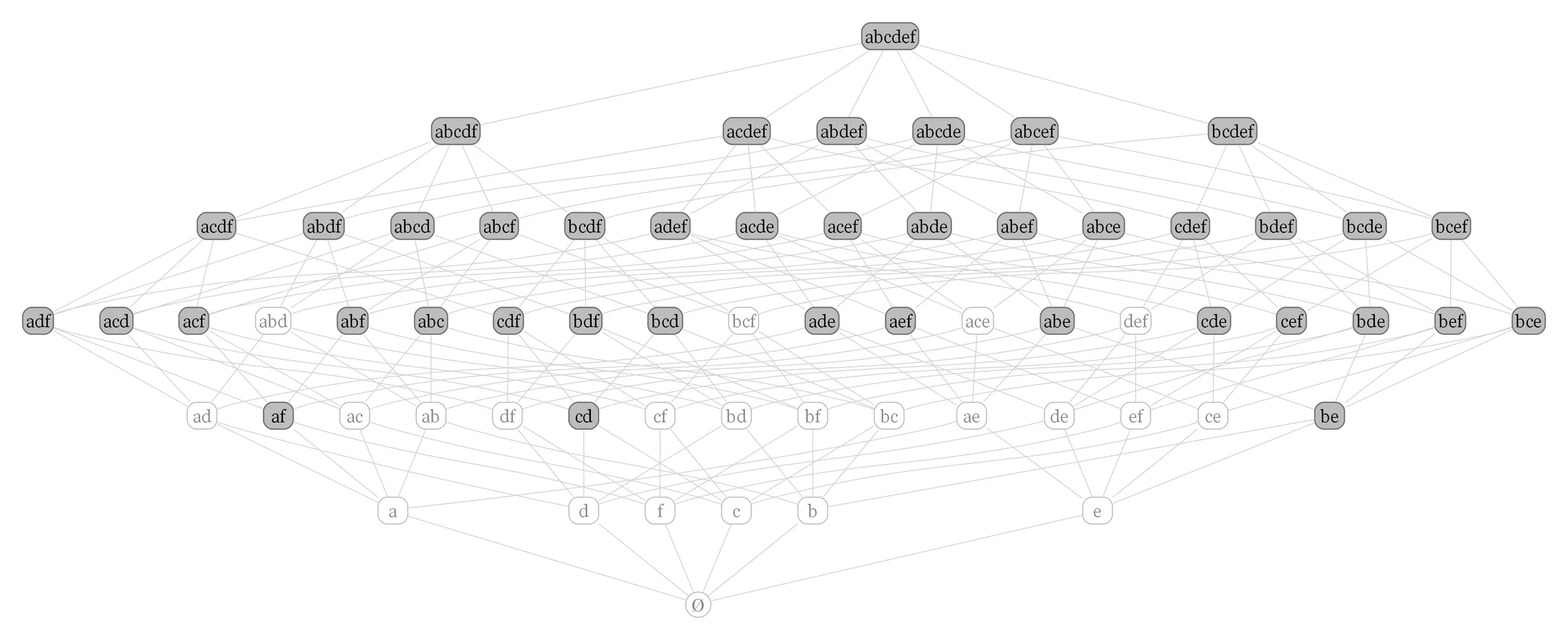
I first proved that direct model matching was not applicable through rank conditions. I then designed a virtual sensor and virtual actuator with pole placement. A MATLAB search evaluated candidate sensor sets for observability, weak redundancy and cost.
results
Nominal behaviour restored at minimum sensor cost
Simulink simulations confirmed that both virtual components masked their target failure and recovered nominal behavior. The optimal sensor configuration achieved weak redundancy degree 2 with a total cost of 17 economic units.
limitations
From clean simulation to noisy industrial reality
The model assumes known plant dynamics and clean switching between nominal and failed states. Future work should test parameter drift, noisy failure detection and hardware-in-the-loop timing.